
《Ajahn Golf’s Journey of Transformation》
Ajahn Golf:
Before I ordained, I was also a very reckless person. I modified motorcycles and raced with others, and I bought drugs and pills. I even sold drugs, and I took part in motorcycle racing as well.
Every night I went out to have fun, and I would even bring different girls home almost every day. That is why I dare to speak openly about all these things—because I have personally experienced them myself.
When we are able to do whatever we want, we start to feel very powerful, as if no one can compare to us. At that moment, the mind fears nothing. However, such a state is filled with heedlessness and a lack of mindfulness.
When a person loses mindfulness and lives without right awareness, they will no longer be responsible—to society, nor to themselves.
《Ajahn Golf’s Journey of Transformation》
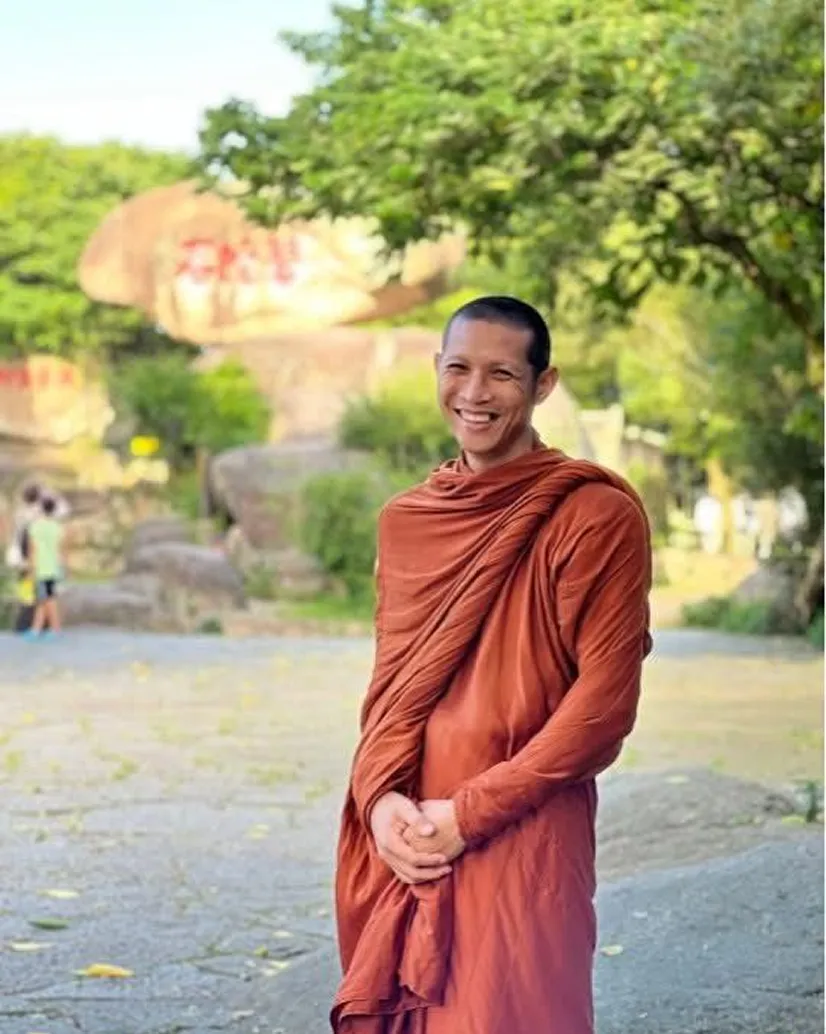
Ajahn Golf : Before I ordained, I was a very mischievous person. I used to modify motorcycles and race with others, and I would buy pills and drugs. I even sold drugs and took part in motorcycle races.
Every night I would go out to have fun, and I even brought different women home almost every day. That is why I can openly speak about all these things — because I have personally experienced them.
When we do whatever we want, we feel very powerful, as if no one can surpass us. At that time, the mind fears nothing. But such a state is full of heedlessness and a lack of mindfulness.
When a person loses mindfulness, without right awareness, they cannot be responsible—for society, nor for themselves.
One time, while I was riding in a car to collect payment from selling drugs, I happened to see people holding an ordination ceremony. At that moment, the thought of ordaining arose in my mind.
When I later told my mother that I wanted to ordain, no one in my family believed me. They said I must have gone crazy, that I had taken so many drugs that my mind had become confused and dull.
Yet it was precisely this moment that became the starting point of my aspiration to ordain.
From the very day I ordained, I completely cut off all involvement with drugs.
In the past, whether they sent me to a rehab center or even to prison, I never thought about stopping. But the moment I considered ordaining, I immediately gave up everything.
After ordaining, I began training in meditation and developing mindfulness. Once mindfulness arose, a sense of responsibility naturally followed.
There was one time during meditation when I experienced certain jhānic states. I was in prison, and my mother came to visit me. Seeing her cry, my heart became afraid.
At that moment, I asked myself,
“What am I afraid of ?”
I realized I was afraid of my own unwholesome actions, afraid to the point that my whole body trembled.
When mindfulness and the Dhamma are present, one begins to discern clearly: what is wholesome and unwholesome, what is good and bad, what should be done, and what should not be done.
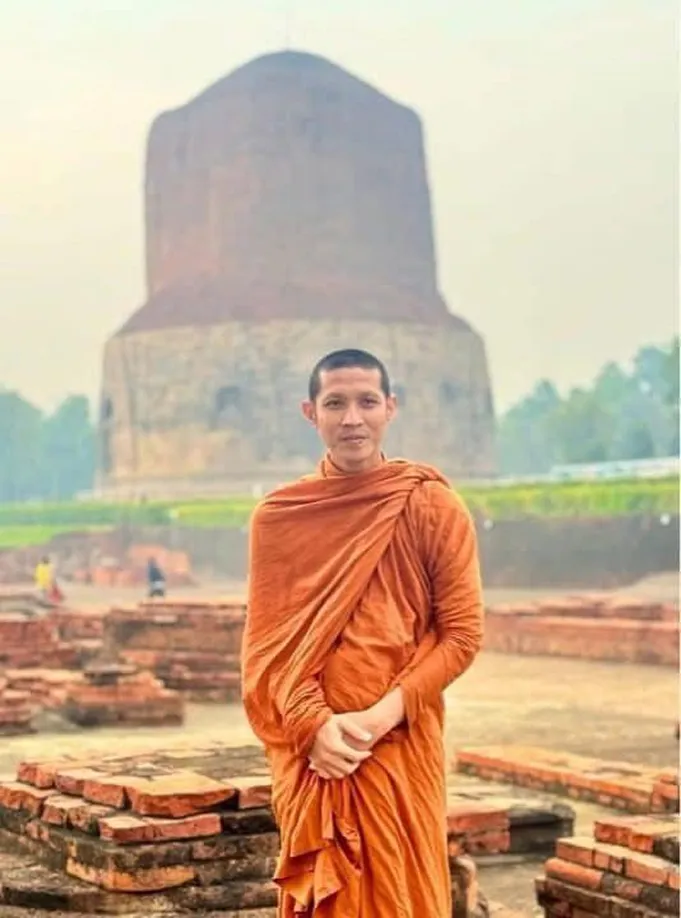
When we lose mindfulness, we are capable of doing anything. We can commit all kinds of harmful actions. Without mindfulness, we may even argue with our parents and say words that deeply hurt them.
After ordaining and training in meditation, I once experienced a meditative vision of my mother crying. Reflecting on it, I made a firm resolution: I had already done evil to the extreme—so extreme that it led me to prison. If I went any further, the next step would have been death. And once dead, nothing can be changed anymore.
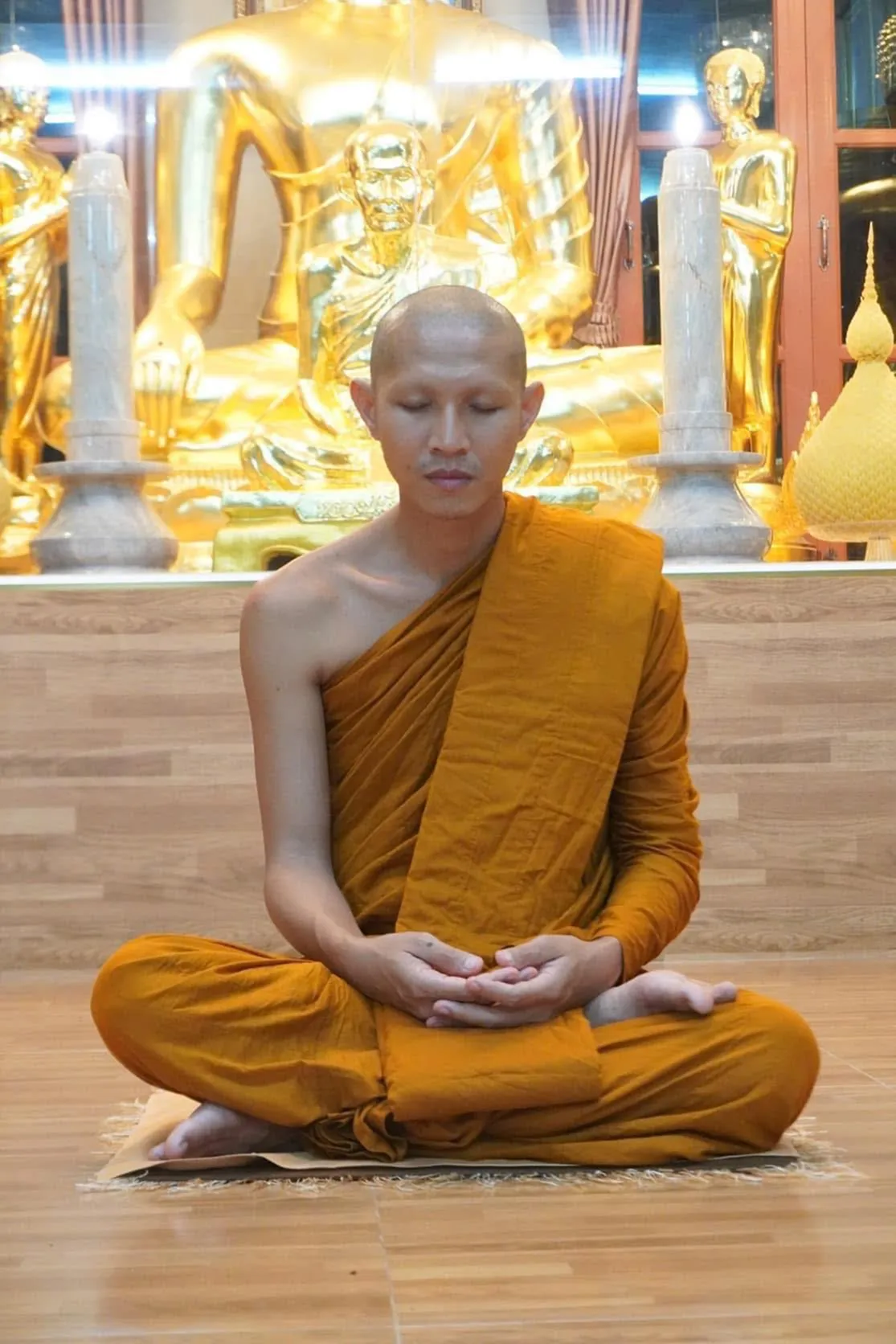
Therefore, I resolved to now do goodness to the utmost. No matter how much goodness there is, I will practice it to the fullest.
In the past, my actions caused my parents immense suffering, as if I had dragged them into hell while they were still alive. Because of my behavior, they were constantly distressed and in pain.
Now, my determination is to bring myself to the heavenly realms—and to bring my parents there as well.
So long as we are still breathing, so long as we are not yet dead, whatever unwholesome states, bad habits, or harmful behaviors remain in our hearts can still be completely transformed. The only question is whether we have enough courage to do so.
Even after I began meditating, my mind was not immediately peaceful. Thoughts of friends and women would still arise. So I practiced with great diligence and perseverance, devoting myself earnestly to meditation and cultivation.
Sometimes I meditated in cemeteries, sometimes in places filled with bones; at other times, I practiced in caves, in forests, sitting and cultivating the path.
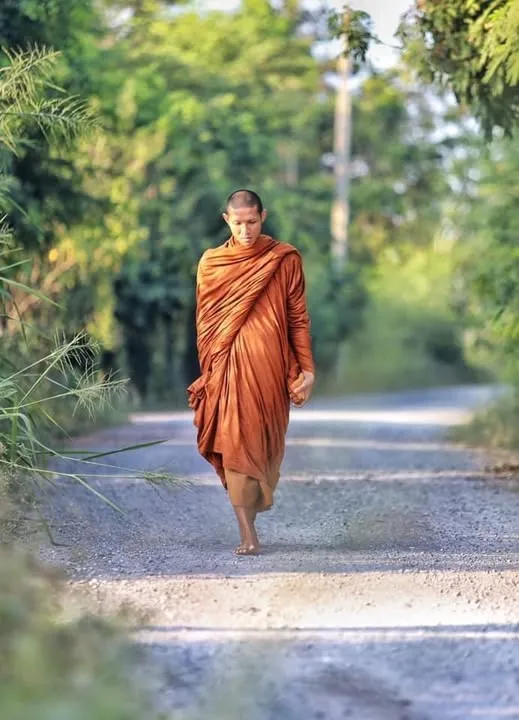
Then, I began using the Buddha’s teachings to guide myself, to overcome my own defilements and mental afflictions.
If we have sufficient causes, reasons, and wisdom, we can overcome a degenerate mind and harmful habits, allowing our hearts to truly transform and improve.
Without such causes, reasons, and the Dhamma, it is very difficult to conquer these tendencies.
It is for this reason that I am able to tell others what is wholesome and unwholesome, what should be done and what should not be done —because I have experienced it myself.
Moreover, I can assure you that the Buddha’s Dhamma can transform a wrongdoer into a virtuous person, and turn someone who is full of suffering into someone filled with happiness.